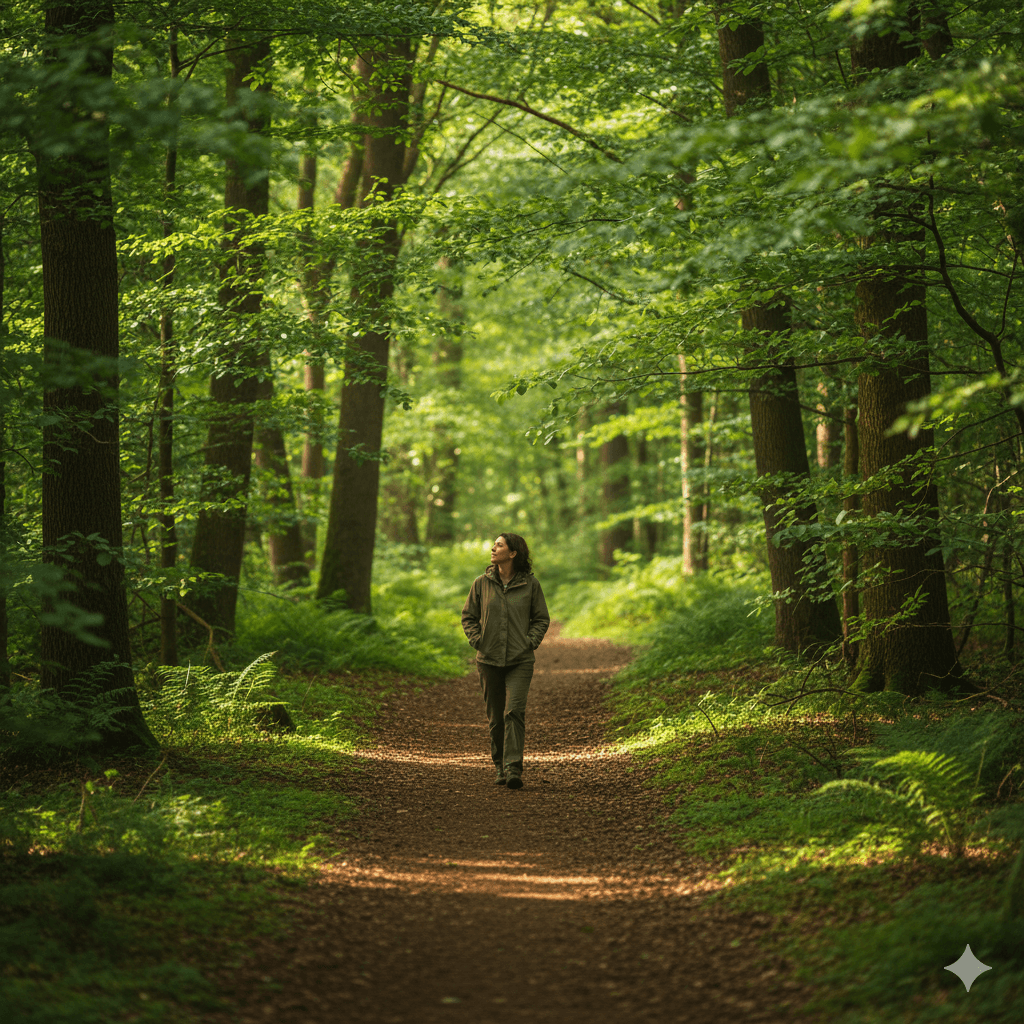
5 Mindful Travel Habits That Bring Back the Magic (No Overwhelm)
Read time: 10 minutes
Introduction Mindful Travel Habits
You’ve planned the perfect trip. You’ve researched the best spots, booked the accommodations, and you’re finally away from your daily routine. But maintaining mindful travel habits when everything feels chaotic? That’s the challenge most travelers face
But somehow, you’re in this incredible place and feel… disconnected. Scrolling at breakfast. Rushing from spot to spot in a weird funk, like you’re watching your trip happen instead of actually living it. Your mind is already three cities ahead, and that healthy morning routine you’ve built at home? Completely abandoned.
You come back exhausted, with a camera roll full of photos you barely remember taking, wondering why the trip didn’t feel the way you hoped it would.
How can you stay present and mindful while traveling?
Here’s the truth: travel doesn’t have to mean losing yourself. Those daily travel habits that keep you grounded at home? You need them even more when you’re on the road—not to restrict you, but to help you actually be present for the adventure you’ve been dreaming about.
I used to be the person who rushed through every destination, constantly thinking about the next place, feeling oddly empty despite being somewhere amazing. Now? I stand at the base of waterfalls and actually feel the cool mist on my face, hear the thundering roar, smell the fresh dampness in the air. Notice the sounds, the way light filters through unfamiliar trees. I write a few lines each evening about my day, committing moments to mental memory that I can revisit for years.
The difference? Five simple mindful travel practices that travel with me everywhere—my personal reset button when travel starts to feel overwhelming.
These five habits will help you:
Feel more connected to the places you visit instead of just passing through
Build lasting core memories instead of blurry camera roll moments
Return home recharged and fulfilled, not exhausted and needing another vacation
These aren’t complicated rituals or time-consuming practices. Think of this like sitting down with a friend at a coffee shop—just practical, easy-to-implement habits that help you stay grounded while exploring the world.
Let’s dive in.
Quick Summary: Your 5 Mindful Travel Habits
Learn five portable daily habits that help you stay present and connected while traveling: practice gratitude to shift your mindset, walk mindfully to truly experience your surroundings, set flexible daily intentions, embrace stillness to avoid burnout, and journal briefly each evening to anchor memories. These simple practices transform rushed trips into meaningful journeys.
1. Practice a Travel Gratitude Habit
The Problem:
When travel gets challenging—delayed flights, language barriers, uncomfortable beds, getting lost—it’s easy to slip into a bad mood and spiral. The frustration builds, and suddenly you’re in this beautiful place feeling miserable, focusing on everything that’s going wrong instead of why you wanted to come here in the first place.
Why This Habit Matters:
How can you integrate gratitude into your travel days? First, understand that gratitude is your reset button. It shifts your focus from what’s frustrating to what’s extraordinary about where you are. Moreover, it pulls you back to the present moment and helps you appreciate experiences you might otherwise overlook while stuck in that funk feeling.
“Gratitude is your reset button—it shifts your focus from frustration to what’s extraordinary.”
How to Practice It:
Morning approach:
Before checking your phone, think of one thing you’re looking forward to today
Notice something unique about where you woke up (the light, sounds, air)
Evening approach:
Write 2-3 lines in a journal or phone notes about your day
What made you smile and what surprised you? What will you remember?
Real Example:
Instead of: “The hostel bed was uncomfortable and breakfast was disappointing.”
Try: “Grateful I found that hidden viewpoint the local recommended. The sunrise made the early wake-up worth it.”
Make It Stick: Building Mindful Travel Habits Through Gratitude
How do you adapt your home mindfulness routine when away? Simply pair this with something you already do while traveling—morning coffee, evening wind-down, or right before sleep. This is habit stacking in action: attach the new habit (gratitude) to an existing routine (coffee/bedtime).
Once you’ve shifted your mindset with gratitude, the next step is learning to truly experience where you are
2. Try Mindful Walking Travel (And Actually Notice Your Surroundings)
The Problem:
You’re standing in front of something beautiful, but you’re not really there. Your phone is out. Your mind is planning dinner. You’re stuck in this weird autopilot mode, physically present but mentally absent. Later, you can barely remember what you actually saw. You wanted to live for what’s happening that second—but it feels impossible with all the noise in your head.
Why This Habit Matters:
What is mindful walking and how does it enhance travel? Walking without distraction is how you break through that fog and stay present while traveling. Harvard psychologist Ellen Langer, often called “the mother of mindfulness,” explains that mindfulness is simply “the process of actively noticing new things.” When you notice new things during a walk, she notes, “you come to see you didn’t know the thing you thought you knew as well as you thought you knew it.”
Research supports this approach. A comprehensive review in Quality & Quantity journal found that tourists who adopt mindful states during their travels benefit from increased satisfaction levels and more memorable experiences. It’s where you notice the smell of street food, hear conversations in a different language, spot hidden alleyways, and stumble upon places no guidebook mentions. It’s how you commit moments to mental memory instead of just your camera roll.
How to Practice It:
Leave your phone behind (or in your pocket):
Choose one walk per day where you’re fully present
No photos, no maps—just observation and experience
Engage your senses deliberately:
What do you smell? (Fresh bread, sea air, rain on pavement)
What do you hear? (Church bells, children playing, market vendors)
What do you see that’s different from home?
Real Example:
I used to photograph waterfalls immediately, needing proof I was there. However, now I stand there first—feeling the mist, hearing the roar, noticing how the water catches light. The photo comes later, after I’ve actually experienced it. As a result, those moments stay with me far longer than any image ever could.
Make It Stick:
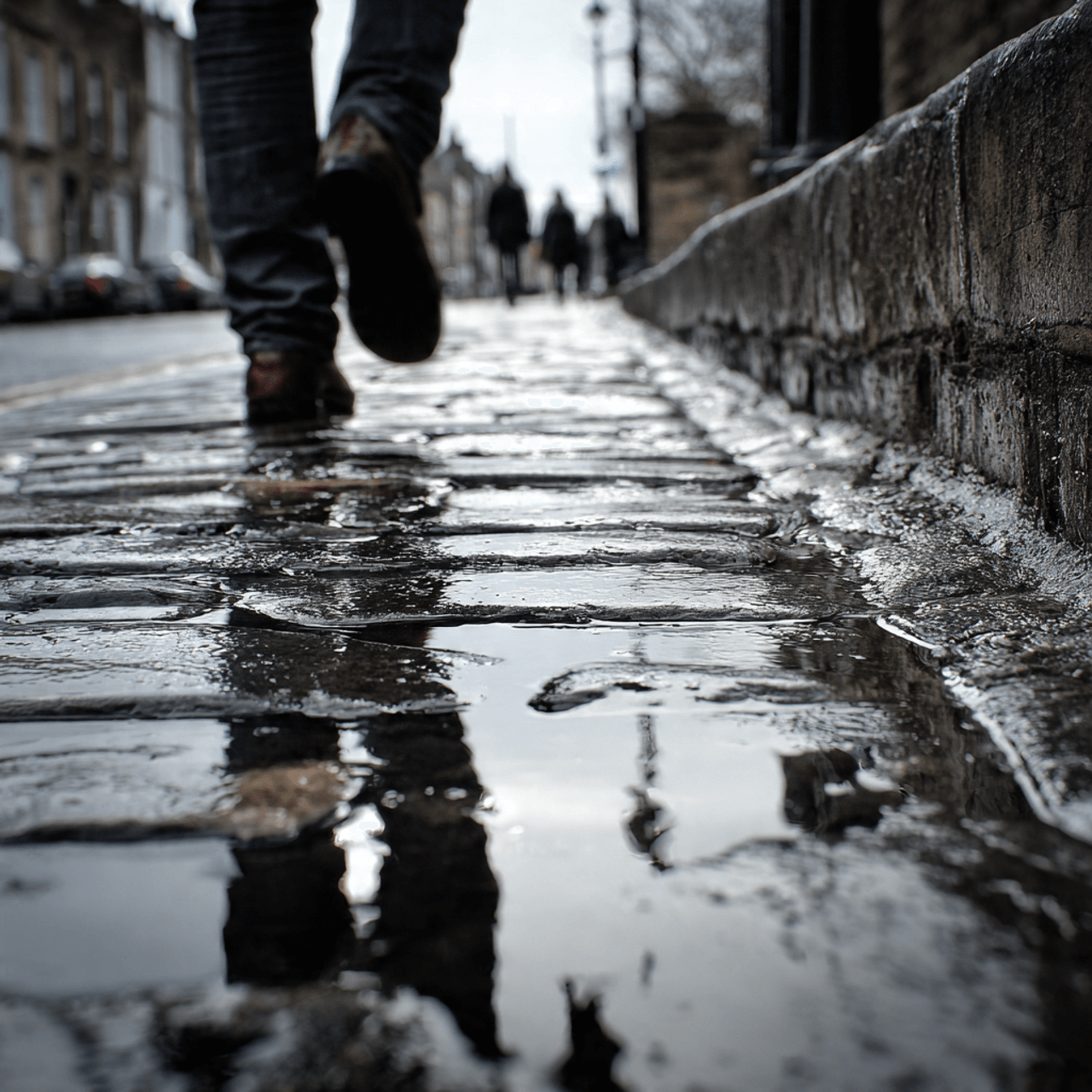
Morning walks work brilliantly for this practice. While you might skip your gym routine or weight training while away (I do!), walking is natural exploration. In other words, you’re not “exercising”—you’re discovering. Walking offers profound benefits beyond fitness—it’s rest and movement combined, giving your mind space to process without pressure.
Mindful walking helps you notice what’s around you, but setting daily intentions helps you decide what to do with what you discover.
3. Set Daily Travel Intentions (Not Rigid Plans)
The Problem:
Either you over-schedule your days and feel stressed trying to cram everything in, or you have no plan at all and end up paralyzed by choices, wasting hours scrolling options on your phone. Neither feels good. You’re left feeling like you’re somehow “doing travel wrong” and the pressure builds.
Why This Habit Matters:
How can setting daily intentions improve your travel experience? Intentions give you direction without rigidity. They help you feel purposeful while leaving room for those spontaneous moments that end up being the best part of your trip—the magical combination that lets you breathe easier and actually enjoy where you are.
How to Practice It:
Each morning, ask yourself:
What’s ONE thing I want to experience today?
How do I want to feel today? (Adventurous? Peaceful? Curious? Rested?)
What’s one way I can step outside my comfort zone?
Keep it simple:
“Today I want to find a local café and chat with someone”
” I’m hiking to that waterfall, today no matter how challenging”
“I’ll find a quiet spot and just be still – Today is about rest”
Real Example:
Instead of: “Visit 5 museums, walk 3 neighborhoods, try 4 restaurants” (exhausting and anxiety-inducing)
Try: “Explore one neighborhood slowly and see where it leads me” (spacious, breathing room, actually enjoyable)
Make It Stick:
Set your intention while having morning coffee or during your gratitude practice. In just two minutes of clarity, you can shape your entire day and save yourself from that overwhelmed, scattered feeling.
Setting intentions gives you direction for the day, but stillness gives you space to actually live it
4. Embrace Stillness Daily to Stay Grounded While Traveling
The Problem:
How do you avoid feeling overwhelmed or rushed during travel? You’re “on vacation” but somehow more exhausted than when you’re at home. You’re constantly moving, seeing, doing—terrified of wasting a single moment or missing out on something. The FOMO is real. You feel guilty every time you sit down. You return home needing a vacation from your vacation, wondering why you feel so drained.
Why This Habit Matters:
How can you balance exploration with rest and stillness? Travel is intense. New stimuli, constant decisions, unfamiliar environments—your nervous system is working overtime. It needs moments to process and integrate, or you’ll burn out.
Research from UCLA’s Mindful Awareness Research Center shows that mindfulness practices help decrease anxiety and emotional reactivity while improving well-being and concentration. Stillness isn’t wasted time; it’s your reset button. It’s when experiences actually sink in and become real memories instead of just a blur.
“Stillness isn’t wasted time—it’s your reset button.”
How to Practice It:
Find 15-30 minutes of stillness each day:
Sit in a park and watch people
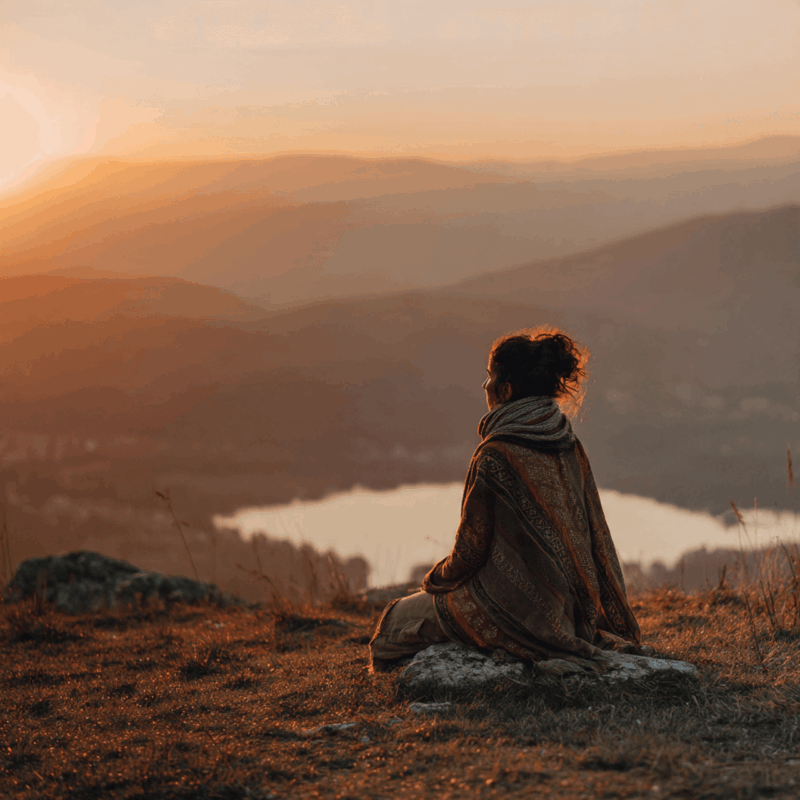
Find a viewpoint and just breathe, no agenda
Enjoy a slow coffee without scrolling or planning
Lie on a beach without “doing” anything
Permission to rest:
You don’t have to hike every trail, visit every site, or “make the most” of every second. That pressure is stealing your joy. Sometimes the most memorable moments are the quiet ones—sitting by a fountain, watching sunset, letting the day settle into your bones.
Real Example:
I used to feel guilty resting while traveling, like I was somehow failing at the trip. However, now I see it as essential. For instance, after a challenging hike to a waterfall, I sit at the base for 20 minutes. Just sitting. Just being, and listening to the water and feeling accomplished. Ultimately, those quiet moments are often my favorite parts of the day—when I finally feel like I’m actually there.
Make It Stick:
What techniques can reduce travel-related stress? Build stillness into transitions—after lunch, during golden hour, or before dinner. It’s not “wasted time”; it’s integration time. Understanding how to rest well while staying consistent is crucial—it’s when you shift from doing to being, and that’s where the magic lives.
These five habits work together to create a complete mindful travel experience, but the real magic happens when you commit to taking them with you
After embracing those quiet moments, journaling helps you capture them before they slip away
Mr Critic Moment
“You’re really just going to sit here while everyone else is exploring?” That voice loves to equate stillness with laziness. Here’s the truth: stillness isn’t giving up on travel, it’s giving in to it.
5. Practice Travel Reflection Journaling
The Problem:
Days blur together into one big rush. You can’t remember which city you saw what in. Photos sit on your phone untouched, and honestly, you’re not even sure what half of them are. The richness of your experiences fades quickly because you never took time to process them. You’re left with this unsettling feeling that you were somewhere amazing but can’t quite hold onto it.
Why This Habit Matters:
What practical steps help you remember and reflect on travel experiences? Writing even a few lines solidifies memories and pulls them from your camera roll into your actual mental memory. It helps you notice patterns in what brings you joy, what challenges you, and how you’re growing. It anchors the day so it doesn’t just drift away. Future you will be so grateful you took these moments to pause and remember.
How to Practice It:
Keep it simple (2-3 lines is enough):
What happened today?
How did I feel?
What do I want to remember?
No pressure for perfection:
Voice notes work if you hate writing
Bullet points are fine
Even one sentence captures more than nothing
Real Example:
“Today: Got completely lost finding the waterfall. Trail was more challenging than expected—almost turned back twice. So glad I didn’t. The sound of the water, the cool mist on my face, the feeling of accomplishment. This is what I came for.”
That’s it. Thirty seconds of writing that preserves an entire experience and how it made you feel.
Make It Stick:
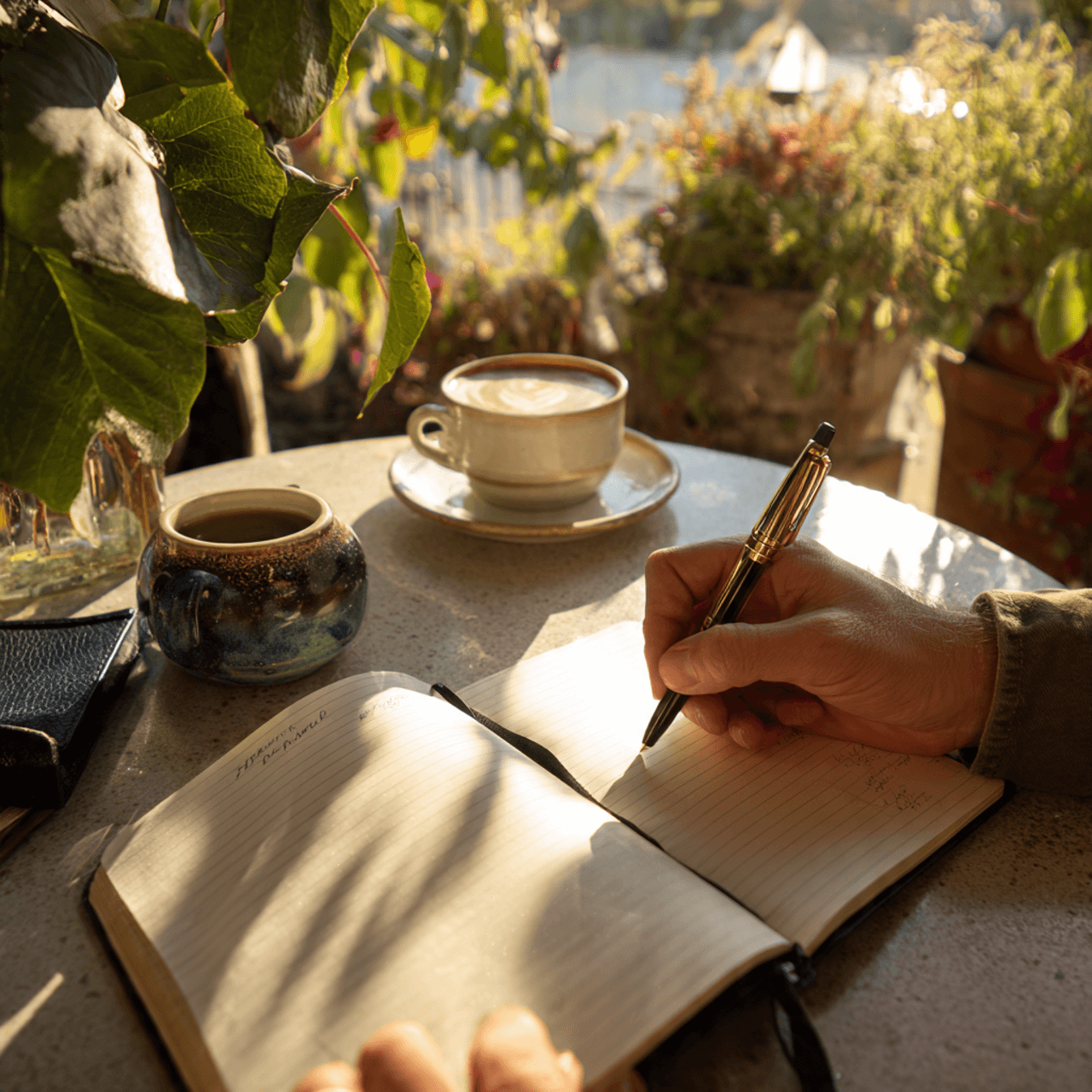
Evening reflection pairs perfectly with gratitude practice. While you’re already thinking about your day, simply write it down. Furthermore, make it part of your wind-down routine—change into comfortable clothes, reflect on what mattered, sleep peacefully knowing you actually lived today.
Bringing Your Mindful Travel Habits With You
Here’s what I need you to hear: what are simple daily habits to maintain well-being on a trip? You don’t have to choose between traveling and staying grounded or lose yourself to have an adventure.
“You don’t have to lose yourself to have an adventure.”
That disconnected, autopilot feeling? That funk that makes you feel like you’re watching your trip instead of living it? It’s not inevitable. In fact, it’s fixable.
These five mindful travel practices aren’t about controlling your trip or adding more pressure. Instead, they’re about giving yourself that reset button when you need it. They’re about deepening your experience, staying connected to yourself, and actually feeling your days instead of rushing through them in a fog.
You’ve worked hard to build good habits at home—the ones that keep you calm, grounded, and present. Now, take them with you. Adapt them. Let them be your anchor when travel gets overwhelming, your way back to presence when your mind starts racing three cities ahead.
Your Simple Action Plan: Making Mindful Travel Habits Stick
Start with just one habit on your next trip:
If you tend to rush and feel scattered: Try stillness
Feel overwhelmed by choices?: Try daily intentions
If experiences fade quickly: Try evening reflection
Always on your phone, missing the moment?: Try present walking
If you slip into bad moods easily: Try gratitude
Then add another. And another. Before long, these practices become as natural as packing your toothbrush—and far more valuable.
Everyday Mastery Steps You Can Take Now
Pause before you photograph. Count three breaths, then take the shot.
Journal one line about how a place made you feel, not just what you saw.
Sit somewhere quiet for five minutes before moving to the next spot.
These tiny pauses turn movement into memory — the essence of mindful travel.
The Real Transformation:
I don’t travel the same way I used to and I no longer measure trips by how much I saw or how many photos I took. I measure them by how fully I experienced each moment, how present I was, how deeply I connected with places and people.
As Ellen Langer wisely notes, “If you left [home] and you came to visit me… you wouldn’t have to practice being mindful. You get off the plane expecting everything to be new, and that’s why the trip would be exciting. This act of noticing is engaging; it feels good.”
That waterfall in Wales? I couldn’t tell you the name of it. But I can still feel the mist on my face, hear the roar, remember the sense of accomplishment from the challenging hike and the peace of just sitting there afterward. That’s because I was there—fully, completely there—living for what was happening that second instead of thinking about what came next.
That’s what these daily travel habits give you. Not restriction, but freedom. Instead of pressure, you’ll find peace. Not rigidity, but presence
Take your habits with you. Your future self—and your memories—will thank you.
And that is everyday mastery.
Journaling Prompts:
Which moment from my last trip still feels vivid — and why?
When do I feel most present while travelling?
What small ritual helps me return to myself each day?
Want to dive deeper into building sustainable habits that travel with you? Explore more practical habit-stacking strategies and everyday mastery tips at www.everydaymastery.co.uk.
Which habit will you practice on your next journey? I’d love to hear—drop a comment below and let’s talk about what resonates with you.
Want more calm, real-life habit tools? Subscribe to the Everyday Mastery Newsletter — small weekly insights for grounded growth.
Found this helpful? You can buy me a coffee to support more writing like this. Every cup helps me keep creating resources
Kel is the writer behind Everyday Mastery, where she shares the real, messy, and meaningful process of building habits, resilience, and self-belief from the ground up. Her writing blends ancient philosophy with modern science, always focused on small, practical steps that lead to lasting
Websites store cookies to enhance functionality and personalise your experience. You can manage your preferences, but blocking some cookies may impact site performance and services.
Essential cookies enable basic functions and are necessary for the proper function of the website.
Name
Description
Duration
Cookie Preferences
This cookie is used to store the user's cookie consent preferences.